




Introduction
Do Property Managers in Malaysia Underestimate Washroom Hygiene? (2026 Guide)
Most building managers in Malaysia manage their cleaning contracts by price. The result is that washrooms — the highest-risk hygiene zone in any commercial property — are almost always the first area where service quality is quietly cut.This guide explains what professional washroom hygiene management actually looks like, what it costs when it goes wrong, and what to demand from your cleaning contractor if you are responsible for a commercial building, corporate campus, or managed estate in the Klang Valley.
Contents
Why Washroom Hygiene Matters More Than You Think
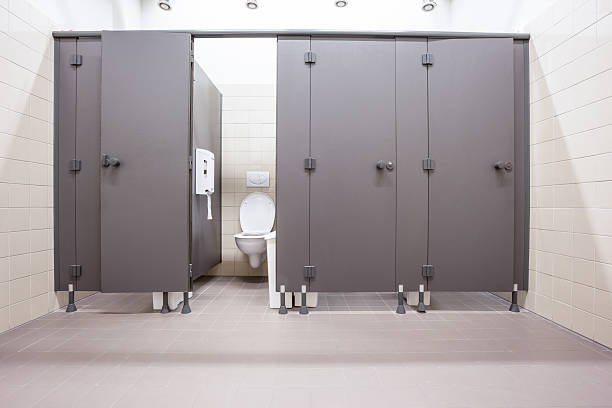
The washroom is the single most-used shared facility in any commercial building. In a typical 10-storey office building in Petaling Jaya, each washroom floor is used by dozens to hundreds of people daily — yet it is also the space most frequently cleaned by the least experienced member of the cleaning team, using the same equipment used elsewhere in the building.
That combination — high usage, high bacterial load, and inconsistent service — creates conditions where hygiene failures concentrate.
What makes washrooms uniquely high-risk
✓ High-touch surfaces — taps, flush handles, door locks, soap dispensers — are touched by every user
✓ Warm, humid conditions (especially in Malaysia's climate) accelerate bacterial and mould growth
✓ Inadequate ventilation in many Malaysian commercial buildings traps airborne contaminants
✓ Cross-contamination from cleaning equipment is common when colour-coded protocols are not followed
✓ Consumables running out — soap, tissue, sanitiser — are an immediate visible failure that tenants notice instantly
A washroom that smells clean is not necessarily hygienic. Surface appearance and actual bacterial load are frequently misaligned, particularly when cleaning frequency is insufficient for the footfall.
The Real Cost of Poor Washroom Hygiene
For property managers and building owners, poor washroom hygiene is not just an aesthetic problem. The downstream costs are real and often significantly larger than the savings made on a cheaper cleaning contract.
Tenant complaints and lease pressure
Washroom conditions are one of the most common triggers for formal tenant complaints in commercial buildings. In a competitive leasing market, a building with a reputation for poorly maintained washrooms loses tenants at renewal — and loses prospects at viewing. Property agents in Klang Valley regularly advise clients that washroom condition is the single fastest way to form a negative impression of a building during a site visit.
Liability exposure
If a tenant, visitor, or employee suffers a health incident that can be traced to a washroom hygiene failure in a common area, building management carries direct exposure. Without documented evidence of a compliant hygiene programme — scheduled cleaning, signed checklists, QC inspections — demonstrating reasonable care is significantly harder.
Building certification and compliance
Commercial buildings seeking Green Building Index (GBI) or ISO 14001 certification — or buildings managed under large institutional leases with environmental health requirements — will face washroom hygiene as a documented compliance point. A building that cannot produce washroom cleaning records and consumables management logs will find these certifications significantly harder to obtain or maintain.
Staff productivity in tenant offices
This is the cost that is rarely discussed but widely documented: employees in offices with poor common area washrooms report lower satisfaction, are more likely to leave work to use facilities elsewhere, and cite building hygiene in exit surveys more frequently than most HR teams expect. The cost passes from building to tenant — but the tenant notices, and it affects lease renewals.
What Professional Washroom Hygiene Actually Includes
There is a significant difference between a cleaning team that wipes down surfaces and empties bins, and a professional washroom hygiene programme. Here is what a professional standard actually covers.
Daily service tasks (every service visit):
✓ Full disinfection of all high-touch surfaces — taps, flush handles, door handles, hand dryer buttons, soap dispensers
✓ Bowl cleaning with appropriate disinfectant, including under rim
✓ Floor disinfection with colour-coded mop (separate from all other areas)
✓ Mirror and glass cleaning
✓ Bin emptying and liner replacement
✓ Consumables check and restocking — soap, tissue, paper towel, sanitiser
✓ Odour management — ventilation check, air care servicing
Weekly or periodic tasks:
✓ Grout and tile disinfection
✓ Deep scrub of washbasin and bowl surfaces
✓ Air vent cleaning
✓ Full consumables audit — stock levels vs usage, flagging for replenishment
Signed service checklist — completed after every visit
A professional cleaning company should leave a signed checklist after every washroom service. This is not optional paperwork — it is your primary evidence that the agreed scope was completed.
What should not be acceptable in any professional washroom hygiene programme:
✗ The same mop used across washrooms and corridors — cross-contamination
✗ Bleach applied directly to marble or composite stone surfaces
✗ Consumables restocking treated as secondary to cleaning — soap running out mid-day is a hygiene failure, not just an inconvenience
✗ No record of the last service visit
✗ Surface odour masking (air freshener sprayed) in place of actual cleaning
How to Tell If Your Building's Washrooms Are Being Managed Properly
If you manage a commercial property and want to evaluate whether your current cleaning contractor is actually delivering professional washroom hygiene — rather than surface-level cleaning — here are the questions to ask and the signs to look for.
Ask your contractor:
✓ Do you use colour-coded cleaning equipment, specifically preventing washroom equipment from being used elsewhere?
✓ Can you provide a Safety Data Sheet (SDS) for every chemical product used in the washrooms?
✓ What is your procedure when a washroom consumable runs out mid-day between scheduled service visits?
✓ How do you document completed service for each washroom visit?
✓ What is your escalation process when a washroom QC inspection identifies a service failure?
Walk through your own washrooms and look for:
✓ Service record — is there a signed checklist from the last visit, and is it dated correctly?
✓ Grout condition — pink or black discolouration in grout lines indicates insufficient disinfection frequency
✓ Soap dispenser — partially filled dispensers that are never fully empty suggest restocking is inconsistent
✓ Bin condition — staining inside bins is a sign of inconsistent liner replacement
✓ Floor condition near the toilet base — this is the hardest area to clean and the most reliable indicator of cleaning quality
How Envantas Manages Washroom Hygiene
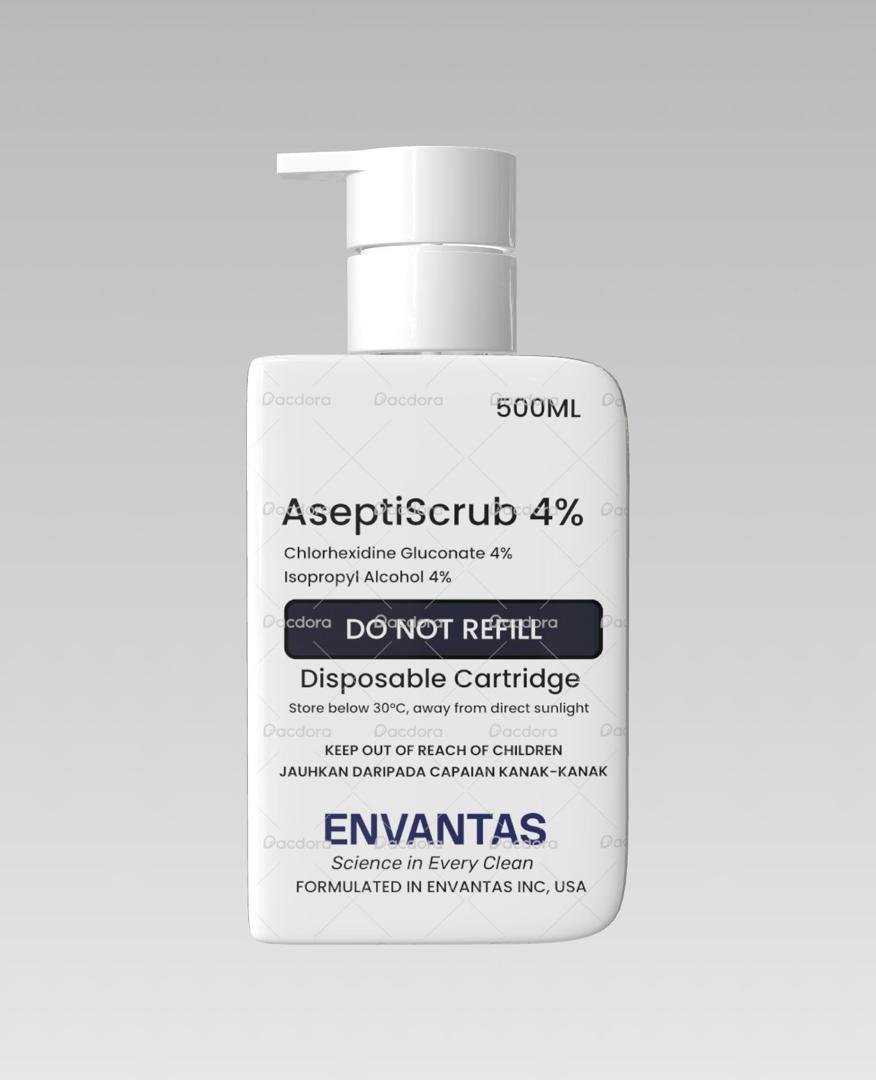
Envantas provides professional commercial cleaning and hygiene services for corporate offices, managed estates, and medical centres across Klang Valley. Our washroom hygiene programme is built on the same standard as our full office cleaning contracts — documented, consistent, and QC-verified.
| Standard | Envantas Delivery |
|---|---|
| Colour-coded equipment | Full washroom equipment segregation on every job as standard |
| Cleaning products | Envantas-branded, OSHA-compliant products; SDS available on request |
| Staff training | Documented washroom-specific training completed before any team is deployed |
| Service documentation | Signed checklist after every visit, retained by Envantas and available to client |
| QC inspection | Monthly supervisor inspection with written report shared with your team |
| Consumables management | Managed replenishment programme available as a standalone subscription |
| Contract terms | Standard 30-day notice period — no punitive exit clauses |
We provide written proposals within 1 business day, fully itemised by scope. Washroom hygiene management can be contracted as part of a full facility cleaning programme or as a standalone managed service.